
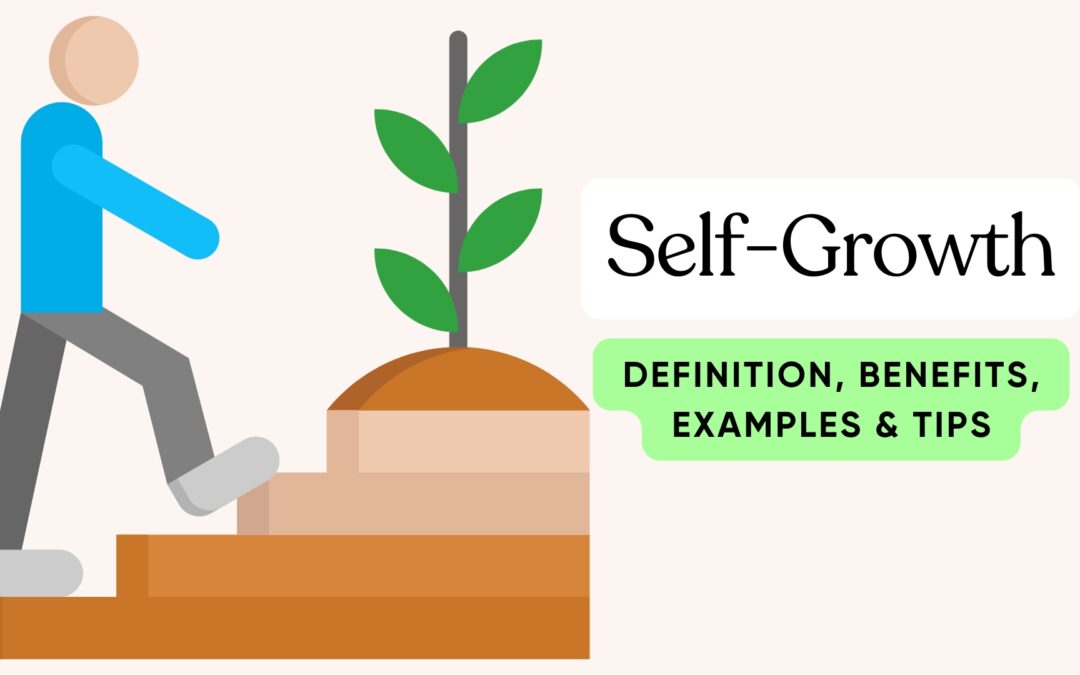
In today’s fast-changing world, one thing remains constant: your ability to grow and become a better version of yourself. Self-growth is not about fixing what’s “wrong” with you — it’s about expanding your strengths, building new skills, and creating a fulfilling life.
Whether your goal is to boost your confidence, improve your relationships, or advance in your career, self-growth is the path that will get you there. In this article, we’ll explore the definition of self-growth, real-life examples, and actionable tips you can start using today.
- What is Self-Growth?
- Benefits of Self-Growth
- Real-Life Examples of Self-Growth
- How to Start Your Self-Growth Journey?
- Common Challenges in Self-Growth (and How to Overcome Them).
- Practical Self-Growth Tips You Can Apply Today
What is Self-Growth?
Self-growth — also called personal growth or self-improvement — is the continuous process of developing yourself in all areas of life. It can mean gaining new skills, increasing self-awareness, and forming positive habits that help you thrive.
The foundation of self-growth lies in the growth mindset — the belief that your abilities can be developed with effort, learning, and persistence. Unlike short-term motivation, self-growth is a lifelong journey that requires dedication and patience.
Benefits of Self-Growth
Self-growth is more than just a personal development buzzword — it’s a transformative process that impacts every area of your life. Whether it’s your mindset, career, or relationships, the benefits are both immediate and long-lasting. Here’s how self-growth can change your life for the better:
1. Boosts Confidence and Self-Esteem
When you actively work on yourself, you begin to recognize your strengths and abilities. Achieving personal goals — even small ones — gives you a sense of accomplishment that builds your confidence over time. This newfound belief in yourself encourages you to take on bigger challenges without fear.
2. Builds Emotional Resilience
Life is unpredictable, and challenges are inevitable. Self-growth helps you develop coping strategies and a stronger mindset, so you can face difficulties with calmness and clarity. Instead of being overwhelmed, you learn how to adapt and bounce back stronger from setbacks.
3. Improves Relationships
As you grow personally, you also grow in empathy, communication, and understanding. This allows you to form deeper, more meaningful relationships — both personally and professionally. You learn to listen better, resolve conflicts effectively, and create a supportive environment for those around you.
4. Enhances Career Success
Self-growth is a career booster. By learning new skills, improving time management, and building a strong work ethic, you naturally increase your value in the workplace. People who invest in their growth are more likely to get promotions, start successful businesses, or switch to fulfilling careers.
5. Increases Life Satisfaction
Self-growth is about living intentionally. As you align your actions with your values and passions, you experience a greater sense of purpose. This leads to higher levels of happiness and overall life satisfaction because you feel you’re moving in the right direction.
6. Encourages a Growth Mindset
When you focus on self-growth, you start to view challenges as opportunities rather than obstacles. This mindset shift makes you more open to learning, trying new things, and stepping out of your comfort zone — all of which are essential for success.
Real-Life Examples of Self-Growth
Self-growth can look very different from one person to another. It doesn’t have to be a dramatic life change — often, it’s the small, consistent actions that lead to powerful transformations over time. Here are some inspiring examples of self-growth in action:
1. Overcoming Fears
Sarah had always been terrified of public speaking. Even in small meetings at work, her voice would shake. She decided to challenge herself by joining a local Toastmasters club, where she practiced giving short speeches. Over six months, her confidence grew, and she eventually delivered a presentation to over 100 people at a company event. This experience not only boosted her self-esteem but also opened the door to new leadership opportunities at work.
2. Learning New Skills
James, a marketing manager, realized that the digital world was evolving faster than his skill set. Instead of feeling left behind, he enrolled in an online course to learn graphic design and video editing. Within a year, he was producing creative content for his company, which not only saved costs for the business but also positioned him as a more valuable team member.
3. Building Healthy Habits
Amina struggled with low energy and frequent stress. She decided to start small by committing to a 15-minute morning walk each day. Gradually, she added healthier meals, better sleep routines, and short meditation sessions to her schedule. Over time, she noticed improved mood, higher productivity, and a renewed sense of balance in life.
4. Developing Emotional Intelligence
David often found himself in heated arguments with colleagues because he reacted emotionally rather than listening. After reading books on emotional intelligence and practicing mindfulness, he became more aware of his emotions and responses. This helped him communicate calmly, resolve conflicts faster, and earn the trust of his team.
5. Inspiring Success Stories
Well-known figures also demonstrate powerful examples of self-growth:
- Oprah Winfrey overcame poverty and personal struggles to become a media powerhouse and global philanthropist.
- J.K. Rowling went from being an unemployed single mother to one of the world’s most successful authors, thanks to persistence and creativity.
- Nelson Mandela used decades of imprisonment to reflect, learn, and develop leadership qualities that would help transform a nation.
How to Start Your Self-Growth Journey?
Starting your self-growth journey can feel overwhelming, but the key is to take small, consistent steps. You don’t have to change everything at once — you just need to commit to making progress every day. Here’s a clear roadmap to help you begin:
1. Set Clear Goals
Without direction, growth can feel like wandering without a map. That’s why it’s essential to set SMART goals — Specific, Measurable, Achievable, Relevant, and Time-bound.
Example: Instead of saying “I want to be healthier”, set a goal like “I will walk 30 minutes five times a week for the next month”.
💡 Tip: Write your goals down and review them weekly to track your progress.
2. Practice Self-Reflection
Self-growth begins with self-awareness. Take time each week to reflect on your actions, decisions, and feelings. This helps you identify what’s working and what needs improvement.
Ways to practice self-reflection:
- Journaling: Write about your successes, challenges, and lessons learned.
- Meditation: Spend a few quiet minutes each day observing your thoughts without judgment.
- Ask questions: “Am I living according to my values?” “What’s holding me back?”
3. Learn Continuously
Self-growth thrives on knowledge. Commit to lifelong learning — whether through books, podcasts, workshops, or online courses.
Example: If you want to develop leadership skills, read one leadership book per month and apply one idea from it to your daily life.
💡 Tip: Schedule learning time in your calendar so it becomes a habit.
4. Build Positive Habits
Habits shape your life more than motivation does. Start with small habits that align with your goals and gradually build on them.
Examples of growth-friendly habits:
- Reading for 10 minutes every morning.
- Planning your day before starting work.
- Drinking more water throughout the day.
- Practising gratitude before bed.
5. Surround Yourself with Growth-Minded People
The people around you influence your mindset, motivation, and behavior. Surround yourself with individuals who inspire, challenge, and support you.
Ways to do this:
- Join networking groups or professional communities.
- Find a mentor who has achieved what you aspire to.
- Limit time with people who constantly drain your energy or discourage your goals.
6. Take Consistent Action (Even When It’s Hard)
Growth happens outside your comfort zone. There will be days when you feel tired or unmotivated — but consistency is what makes change stick.
Example: If you set a goal to practice a new skill daily, do it even for just 5 minutes on busy days.
7. Track and Celebrate Your Progress
Keeping track of your growth keeps you motivated and shows you how far you’ve come. Celebrate small wins along the way — they build momentum.
💡 Tip: Create a “success jar” where you write down every achievement, no matter how small, and review it when you need encouragement.

Common Challenges in Self-Growth (and How to Overcome Them)
Self-growth is exciting, but it’s not always easy. Along the way, you’ll face obstacles that can slow you down or make you doubt yourself. The good news? Every challenge comes with a solution. Here’s how to overcome the most common self-growth roadblocks:
1. Fear of Failure
The Problem:
Many people avoid pursuing their goals because they’re afraid of failing — or of what others might think if they don’t succeed. This fear can stop you from taking action altogether.
The Solution:
- Reframe failure as feedback rather than a final judgment. Every mistake is a learning opportunity.
- Start with small, low-risk actions to build your confidence.
- Remind yourself that not trying at all is the only true failure.
💡 Example: Instead of aiming to publish a best-selling book immediately, start by writing short blog posts to practice your skills.
2. Lack of Consistency
The Problem:
Motivation comes and goes, and when it fades, it’s easy to abandon your goals. This inconsistency slows your progress.
The Solution:
- Focus on building habits rather than relying on motivation.
- Use tools like habit trackers or productivity apps to stay on track.
- Commit to “minimum action” — even on busy days, do a smaller version of your task.
💡 Example: If you can’t do a full workout, do 10 minutes of stretching or walking instead.
3. Negative Self-Talk
The Problem:
Your inner critic can be your biggest obstacle. Thoughts like “I’m not good enough” or “I’ll never change” can sabotage your progress before you even start.
The Solution:
- Practice self-compassion — treat yourself like you would a friend.
- Challenge negative thoughts by asking: “Is this thought 100% true?”
- Replace self-limiting phrases with empowering ones like “I’m learning and improving”.
4. Time Management Issues
The Problem:
Many people believe they don’t have time for self-growth because of work, family, or daily responsibilities.
The Solution:
- Audit your time to identify where it’s being wasted (social media, TV, etc.).
- Schedule self-growth activities into your calendar like important meetings.
- Start small — even 10–15 minutes a day can lead to big results over time.
💡 Example: Listen to an audiobook or podcast while commuting instead of scrolling through your phone.
5. Overwhelm and Trying to Do Too Much
The Problem:
Taking on too many goals at once can leave you feeling burned out, frustrated, and ready to quit.
The Solution:
- Focus on one or two main goals at a time.
- Break big goals into smaller, manageable steps.
- Celebrate small wins to stay motivated before moving to the next challenge.
6. Comparing Yourself to Others
The Problem:
Measuring your progress against someone else’s journey can make you feel inadequate or discouraged.
The Solution:
- Remember that everyone’s path is different — you only see the results, not the struggles.
- Limit exposure to social media if it triggers unhealthy comparison.
- Track your own progress and compete with your past self, not with others.

Practical Self-Growth Tips You Can Apply Today
Self-growth doesn’t have to be complicated — the most important thing is to start and stay consistent. Here’s a clear, actionable checklist of tips you can begin implementing today to make steady progress toward becoming your best self.
1. Start Small, But Stay Consistent
Big changes often begin with small daily actions. The key is to show up every day, even if it’s for a few minutes.
✅ Choose one habit you want to develop and stick with it for at least 21 days.
💡 Example: Meditate for 5 minutes each morning instead of aiming for 30 minutes right away.
2. Celebrate Small Wins
Acknowledging progress keeps you motivated and reinforces positive behavior.
✅ Keep a “victory list” of achievements — no matter how small — and review it weekly.
💡 Example: Finished your first chapter of a book you’re writing? Celebrate with a special treat or a relaxing break.
3. Keep Track of Your Progress
What gets measured gets improved. Tracking keeps you accountable and helps you see results over time.
✅ Use a habit tracker, journal, or app to log your daily growth activities.
💡 Example: Mark a ✅ each time you complete your new habit, and aim for streaks.
4. Ask for Constructive Feedback
Sometimes we can’t see our own blind spots — feedback helps us grow faster.
✅ Ask trusted friends, mentors, or colleagues for honest opinions about areas you can improve.
💡 Example: If you’re working on communication skills, ask a coworker how you can be clearer in meetings.
5. Stay Open to Change
Growth often requires stepping outside your comfort zone and adapting to new situations.
✅ Say “yes” to at least one opportunity each week that challenges you.
💡 Example: Volunteer to lead a project at work even if you feel nervous about it.
6. Practice Gratitude Daily
A positive mindset fuels motivation and resilience.
✅ Write down 3 things you’re grateful for every day — big or small.
💡 Example: “I’m grateful for my supportive family, my health, and the coffee I enjoyed this morning.”
7. Limit Negative Influences
Surround yourself with positivity and reduce exposure to things that drain your energy.
✅ Audit your social media, news intake, and even personal relationships.
💡 Example: Unfollow accounts that make you feel inadequate and replace them with inspiring content.
8. Commit to Lifelong Learning
Growth stops when learning stops. Make it a priority to keep expanding your knowledge.
✅ Dedicate at least 15 minutes a day to reading, listening to podcasts, or watching educational videos.
💡 Example: Learn one new skill every quarter, like cooking, coding, or a new language.
Takeaway
Self-growth is built one action at a time. Pick two or three tips from this checklist to start today, and as they become habits, add more. Over time, these small changes will create a major transformation in your life.
Self-growth is not a race — it’s a personal journey. Every small step matters, and it’s never too late to begin. The best time to start is now.
💬 What’s your next self-growth goal? Share it in the comments and inspire others!