“Growth is the only evidence of life.”– John Henry Newman.
We all want to live a life that feels meaningful, purposeful, and fulfilling. Yet, personal growth doesn’t happen by accident—it’s a conscious choice. Just like a building needs a strong foundation to stand tall, your personal development relies on key pillars that support and strengthen you through life’s challenges. Without these pillars, growth can feel unbalanced or incomplete.
The truth is, personal growth isn’t about changing who you are overnight. It’s about consistently becoming the best version of yourself—mentally, emotionally, and even spiritually. Whether you’re aiming to improve your career, relationships, or overall mindset, understanding and nurturing these pillars will give you the clarity, resilience, and direction you need to thrive.
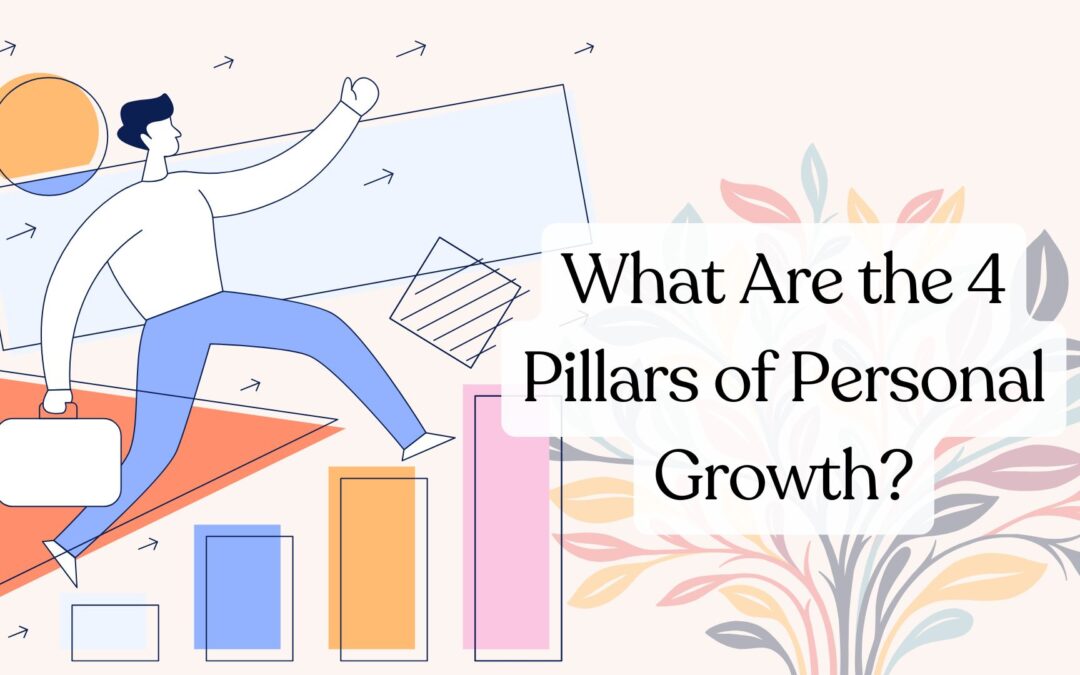
In this post, we’ll explore the 4 essential pillars of personal growth—the foundation for building a stronger, more confident, and more capable you. By the end, you’ll not only know what these pillars are but also how to start strengthening each one in your daily life.
- Pillar 1: Self-Awareness
- Pillar 2: Continuous Learning
- Pillar 3: Resilience
- Pillar 4: Goal-Setting & Action
- Integrating the 4 Pillars
- Practical Tips to Start Building Your Personal Growth Pillars Today
The 4 Pillars of Personal Growth
Pillar 1: Self-Awareness
If you don’t understand yourself, it’s hard to improve yourself.
Self-awareness is simply paying attention to what’s going on in your own mind and body. It’s noticing your thoughts, recognizing your emotions, and understanding how your habits shape your results. Most people go through life on autopilot—they react to situations without ever asking why they’re reacting that way.
The problem is, you can’t fix what you don’t see.
Why Self-Awareness Matters
When you understand yourself, you can:
- Make better choices because you know what matters to you.
- Avoid self-sabotage by spotting patterns that hold you back.
- Improve relationships by seeing how your behavior affects others.
Think of it like using a GPS. You can’t get where you want to go unless you know where you’re starting from.
How to Build Self-Awareness
Here are a few small but powerful ways to start building self-awareness:
- Keep a Daily Reflection
At the end of each day, ask: “What went well today? What didn’t? Why?”- This turns vague feelings into specific insights.
- Practice Noticing, Not Judging
When you feel frustrated, don’t rush to label it as “bad.” Just observe it: “I’m feeling frustrated because my expectations weren’t met.”- Awareness without judgment makes change easier.
- Ask for Outside Perspective
Sometimes you’re too close to your own life to see clearly. Ask a friend or mentor: “What’s one thing I do that I might not notice?”- Be ready to listen without defending yourself.
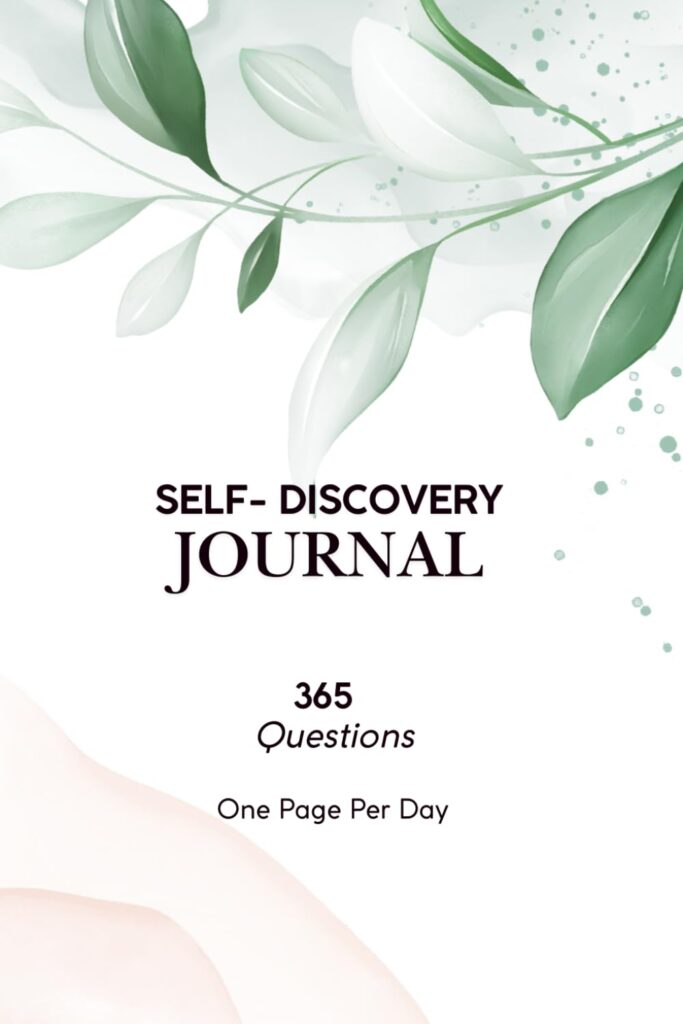
Check our Self-Discovery journal Here
A Real Example
A friend of mine was always exhausted after work. He thought it was just the workload. After tracking his days for a week, he noticed a pattern: most of his stress came from back-to-back meetings in the afternoon. That single insight let him rearrange his schedule, protect his mornings for deep work, and cut his stress in half.

Pillar 2: Continuous Learning
The world changes fast. The skills that got you here might not be the same ones that will take you further.
Continuous learning is the habit of always looking for ways to improve what you know and how you think. It’s not about collecting random facts—it’s about upgrading your mind so you can solve better problems.
If you stop learning, you stop growing.
Why Continuous Learning Matters
- It keeps you adaptable. New challenges require new skills.
- It sharpens your thinking. Learning stretches your perspective and forces you to see things in new ways.
- It compounds over time. Just like money grows with interest, your knowledge grows when you build on what you’ve already learned.
Think of it like this: every skill you learn is a tool you add to your toolbox. The more tools you have, the more problems you can solve.
How to Make Learning a Habit
1- Read for 20 Minutes a Day
You don’t need to read for hours. Twenty minutes adds up to 30+ books a year.
- Tip: Keep a book near your bed or on your phone so you can read instead of scrolling.
2-Learn by Doing
Reading is good, but applying what you learn makes it stick.
- Example: If you’re learning about public speaking, give a short talk to friends instead of just watching videos about it.
3-Ask Better Questions
When you meet someone skilled at something you admire, ask: “What’s one thing you wish you knew earlier?”
- One great answer can save you years of trial and error.
A Real Example
A woman I know wanted to change careers but didn’t have the right qualifications. Instead of going back to school for years, she started learning one new skill every three months—digital marketing, copywriting, then SEO. Within a year, she had built a portfolio strong enough to land a full-time remote job.

Pillar 3: Resilience
Life will knock you down. That’s not a possibility—it’s a guarantee.
Resilience is your ability to get back up, adjust, and keep moving forward when things don’t go as planned. It’s not about avoiding challenges or pretending everything is fine. It’s about facing reality, learning from it, and refusing to let setbacks define you.
You can think of resilience like a muscle—the more you work it, the stronger it gets.
Why Resilience Matters
1- Focus on What You Can Control
When a situation feels overwhelming, ask: “What’s one thing I can do right now to improve it?”
- This keeps you moving instead of freezing in frustration.
2- Reframe Setbacks as Lessons
Instead of asking, “Why is this happening to me?” try, “What can I learn from this?”
- A small shift in language can change how you see the problem.
3-Build a Support System
You don’t have to be strong alone. Surround yourself with people who remind you of your strengths when you forget.
A Real Example
A friend of mine launched an online business that completely failed in the first year. He could have given up, but instead, he studied what went wrong—pricing, marketing, and product quality. He relaunched six months later with improvements, and now it’s his full-time income. The first failure wasn’t the end; it was the training ground.

Pillar 4: Goal-Setting & Action
A goal without action is just a wish.
Goal-setting is deciding what matters most to you. Action is proving it with your behavior. The two go hand in hand—one gives you direction, the other creates results. Without a clear goal, you can waste years working hard on the wrong things. Without action, even the best plan stays on paper.
Why Goal-Setting & Action Matter
- They give you focus. Instead of chasing everything, you work on what moves the needle.
- They create momentum. Small steps add up faster than you think.
- They give you clarity. You always know whether you’re moving closer to your vision or drifting away from it.
Think of goal-setting as choosing a destination on a map. Action is getting in the car and driving there—mile after mile.
How to Turn Goals into Action
1- Set Specific Targets
Vague goals like “get fit” or “earn more” don’t work. Be precise: “Work out three times a week” or “Save $5,000 by December.”
2- Break It Down
Big goals can feel overwhelming. Break them into the smallest possible step and start there.
- Example: Instead of “write a book,” start with “write 200 words today.”
3- Track Your Progress
What gets measured gets improved. Keep a simple tracker—paper, app, or spreadsheet—to see how far you’ve come.
4- Act Daily, Even When It’s Small
Consistency beats intensity. A 10-minute workout every day beats a 2-hour workout once a month.
A Real Example
One of my friends wanted to run a marathon but had never run more than a few kilometers. Instead of jumping into a 26-mile run, she started with 1 mile a day. Every week, she increased the distance by half a mile. A year later, she crossed the marathon finish line—not because she ran huge distances from the start, but because she took small, steady steps every day.

Integrating the 4 Pillars
Each pillar—self-awareness, continuous learning, resilience, and goal-setting with action—works on its own. But when you combine them, they reinforce each other and create real, lasting change.
Self-awareness tells you where you are. Continuous learning gives you the tools to improve. Resilience keeps you going when it gets hard. Goal-setting and action point you toward where you want to go and push you to move there.
It’s like building a house:
- Self-awareness is the blueprint.
- Continuous learning is the material you use to build.
- Resilience is the reinforcement that keeps it standing in storms.
- Goal-setting and action are the work that turns the plan into a home you can live in.
If you neglect one pillar, the structure gets weaker. You might know yourself well but fail to take action. Or you might have big goals but give up when things get tough. The magic happens when you work on all four, even in small ways, every day.
How to Put It All Together
- Start each month with a quick self-check: What do I need most right now—clarity, skills, strength, or direction?
- Pick one small habit for each pillar and practice them together.
- Review your progress regularly so you can adjust and stay balanced.

Practical Tips to Start Building Your Personal Growth Pillars Today
You don’t need to overhaul your life to start growing. In fact, it’s better if you don’t. Big, sudden changes often collapse under their own weight. Small, consistent actions are easier to stick with and create more momentum over time.
Here’s a simple action plan you can start today—one habit for each pillar:
1. Self-Awareness: Daily Reflection Question
Before bed, take two minutes to ask yourself:
- “What went well today?”
- “What could I have done better?”
Write down your answers in a notebook or notes app. This builds a habit of noticing your patterns without judgment.
2. Continuous Learning: Read or Listen for 15 Minutes
Pick a book, article, or podcast that helps you think differently. It doesn’t have to be long—just something that stretches your perspective. Keep it consistent and you’ll be amazed at how much knowledge you accumulate in a year.
3. Resilience: Reframe One Challenge
The next time something goes wrong, pause and ask:
- “What can this teach me?”
This small shift trains your brain to see setbacks as lessons instead of roadblocks.
4. Goal-Setting & Action: One Small Win a Day
Pick one task that moves you closer to your most important goal—and do it first thing if possible. Even if it takes five minutes, you’ll end the day knowing you made progress.
Bonus: Track It All in One Place
Use a simple habit tracker—paper, app, or spreadsheet—to keep these four actions visible. Checking them off daily turns growth into a game you can win.

Conclusion
Personal growth isn’t a single event—it’s a daily practice. When you strengthen your self-awareness, commit to continuous learning, build resilience, and take consistent action toward your goals, you set yourself up for lasting change.
You don’t have to do it perfectly. You just have to keep showing up.
Start small. Stay consistent. And remember—every step you take today is building the future you want tomorrow.