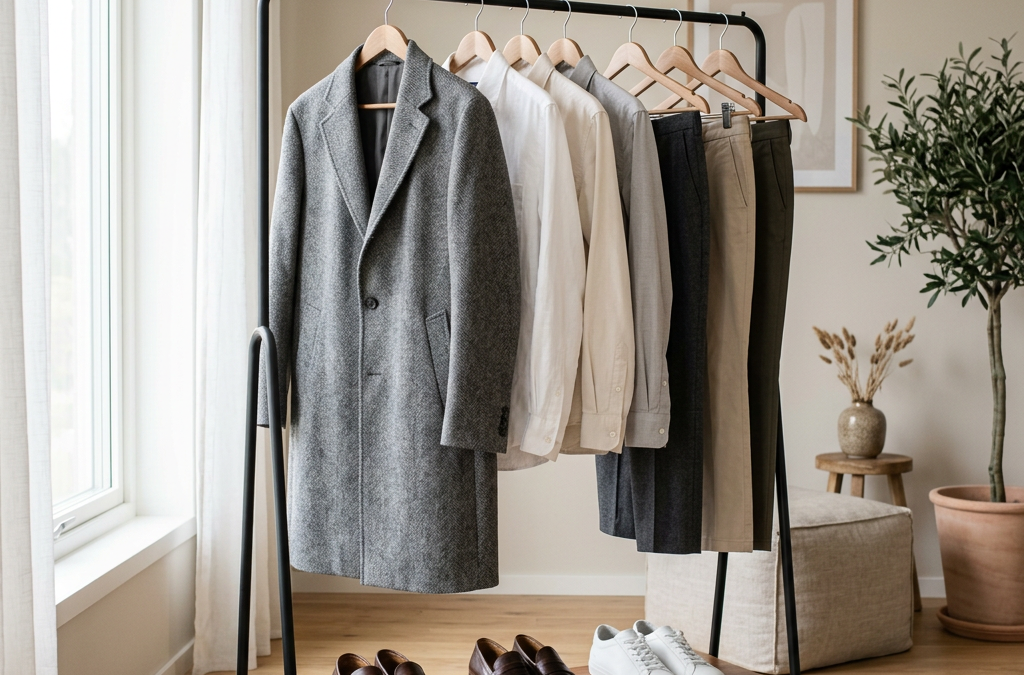
The Value of a Well-Chosen Wardrobe
In a world where fashion trends change almost overnight, buying clothes has become more than just a practical necessity. Social media, targeted advertising, and fast-fashion brands constantly encourage consumers to update their wardrobes and keep up with the latest styles. However, this habit raises an important question: Do we really need more clothes, or should we focus on making better choices?
For many people, comfort and quality matter most when buying clothes. A garment may look attractive, but if it feels uncomfortable or loses its shape after a few washes, it is unlikely to remain a favourite for long. In contrast, well-made clothes offer better value for money because they can be worn repeatedly without quickly falling apart. Durability, versatility, and classic style are equally important, as they allow people to create different outfits without constantly purchasing new items.
Consider a high-quality coat or a reliable pair of boots that someone has owned for years. Such items often become more than ordinary possessions. Their durable materials allow them to withstand regular use, while their timeless design means they rarely go out of fashion. In addition, the comfort that develops through long-term wear can make these items particularly special. Rather than replacing them every season, their owners can continue enjoying them for many years.
Nevertheless, buying fewer clothes requires a change in mindset. One effective approach is to adopt a more minimalist lifestyle, focusing on what we genuinely need instead of what advertisements persuade us to want. Another strategy is to build a capsule wardrobe—a carefully selected collection of versatile clothing items that can easily be combined to create numerous outfits. By choosing neutral colours, classic designs, and durable fabrics, consumers can reduce unnecessary purchases while still enjoying variety in their appearance.
Sustainability should also play a central role in our shopping decisions. Although fast-fashion items may appear affordable, their low prices can encourage frequent purchases and contribute to textile waste. Choosing responsibly produced, high-quality garments and taking proper care of them can help extend their useful life. Repairing damaged clothes, donating unwanted items, and resisting the temptation to follow every new trend are practical ways to reduce our environmental impact.
Ultimately, building a thoughtful wardrobe is not about depriving ourselves of attractive clothes. It is about recognising the difference between what we want momentarily and what we will value for years. When we prioritise quality over quantity, we can save money, reduce waste, and develop a more meaningful relationship with the things we own.
1. Quality over quantity
Meaning: Choosing fewer, better-quality items rather than owning many things.
Example: I believe in quality over quantity when it comes to buying clothes.
Useful pattern: I prioritise X over Y.
2. Stand the test of time
Meaning: Remain useful, popular, or fashionable for a long time.
Example: Classic designs stand the test of time, unlike many fast-fashion trends.
Useful pattern: Something that stands the test of time.
3. A capsule wardrobe
Meaning: A small collection of versatile clothes that can be combined into different outfits.
Example: Building a capsule wardrobe would help me avoid unnecessary purchases.
Useful pattern: Build / create / maintain a capsule wardrobe.
4. Extend the useful life of something
Meaning: Make something last longer before it needs replacing.
Example: Repairing our clothes can extend their useful life and reduce waste.
Useful pattern: Extend the useful life of clothes/products/appliances.
1. Durability (n.) — The ability to last.
Example: Durability is one of my main priorities when shopping.
2. Versatile (adj.) — Suitable for different uses or occasions.
Example: I prefer versatile pieces that I can wear in different ways.
3. Timeless (adj.) — Never going out of style.
Example: A little black dress is a timeless wardrobe staple.
4. Well-made (adj.) — Made with good materials and craftsmanship.
Example: I’d rather invest in a well-made coat.
5. Fast fashion (n.) — Cheap, rapidly produced clothing following trends.
Example: Fast fashion encourages people to buy more than they need.
6. Textile waste (n.) — Discarded fabric and clothing.
Example: Buying fewer clothes can help reduce textile waste.
7. Mindset (n.) — A person’s way of thinking.
Example: We need to change our mindset towards consumption.
8. Possession (n.) — Something you own.
Example: We should take better care of our possessions.
9. Sustainable (adj.) — Causing less environmental harm over time.
Example: I try to make more sustainable shopping choices.
10. Minimalist (adj.) — Focused on having fewer, carefully chosen things.
Example: A minimalist approach can help us spend more intentionally.
Active Recall: Can You Use the Vocabulary?
Complete each sentence with the most suitable expression. Choose one answer for each question, then check your answers.
1. I prefer buying fewer clothes made from good materials. I believe in _____.
2. Classic clothes remain fashionable for years. They _____.
3. A small collection of clothes that can be combined into many outfits is called _____.
4. Repairing clothes helps _____ and reduces the need to replace them.
5. We should avoid buying things just because advertisements encourage us to. We should _____.
1. What matters most to you when buying clothes: comfort, quality, price, or style? Why?
3. Do you think buying a few high-quality items is better than buying lots of inexpensive clothes? Why?
2. Why do people often buy clothes they don’t actually need?
4. How does fast fashion contribute to environmental problems, and what can we do to reduce its impact?
5. “The most sustainable item of clothing is often the one you already own.” Do you agree or disagree? Why?
These are especially useful for speaking practice and discussion sessions.
EXPRESSING A PREFERENCE
I’d rather invest in a few quality pieces than constantly buy new clothes.
Pattern: I’d rather + base verb + than + base verb.
EXPLAINING A BENEFIT
They offer better value for money because they last longer.
Use this when explaining why a more expensive item may be worth buying.
DESCRIBING SHOPPING HABITS
We should resist the temptation to follow every new trend.
Meaning: Avoid doing something attractive but potentially unwise.
TALKING ABOUT CONSUMPTION
We need to distinguish between what we want and what we genuinely need.
A useful expression for discussions about advertising and overconsumption.
DISCUSSING SUSTAINABILITY
Taking care of what we already own is a simple way to reduce our environmental impact.
Use this to connect personal habits with environmental responsibility.